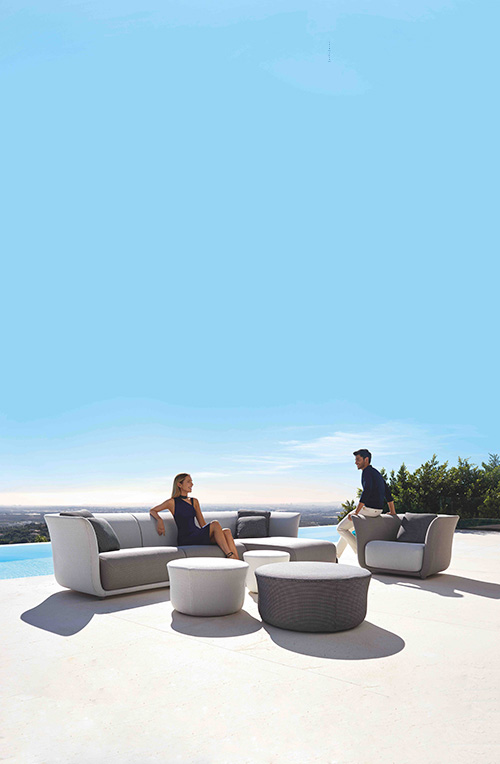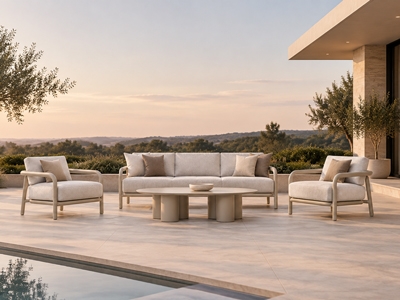


The best outdoor furniture material depends on your climate, maintenance preferences, and style. Teak offers timeless elegance and natural durability, powder-coated aluminum provides lightweight, rust-resistant strength, woven poly-fibers combine comfort with weather resistance, and concrete delivers sculptural permanence. For most Toronto homeowners facing harsh winters, materials like powder-coated aluminum, teak, and quality poly-fiber weaves hold up best across seasons.
Choosing furniture for your patio, terrace, or backyard involves more than picking a style you love. The materials beneath that beautiful finish determine how well your furniture withstands sun, rain, snow, and everyday use. A stunning dining set that fades after one summer or a lounge chair that rusts by its second season isn’t the investment you thought it was.
This guide breaks down the most popular outdoor furniture materials, their strengths and limitations, and how to match them to your lifestyle. Whether you’re furnishing a downtown balcony or a sprawling estate patio, understanding these materials will help you build an outdoor space that performs as beautifully as it looks, for years to come.
Why does material selection matter more outdoors than indoors?
Indoor furniture lives a sheltered life. Outdoor furniture doesn’t have that luxury. It faces UV rays, temperature swings, humidity, and in cities like Toronto, genuine winter extremes. According to Natural Resources Canada, the Greater Toronto Area regularly experiences temperature fluctuations from -20°C in winter to over 30°C in summer, conditions that put real stress on furniture materials over time.
Material choice affects three things every outdoor furniture buyer cares about: longevity, maintenance requirements, and comfort. Get it right, and your furniture becomes a long-term feature of your home. Get it wrong, and you’re replacing pieces every few seasons.
What are the most common outdoor furniture materials?
At ARD Outdoor, our collections are built around five core materials: teak, powder-coated aluminum, stainless steel, woven poly-fibers, and concrete. Each material brings a distinct combination of aesthetics, performance, and upkeep. Here’s how they compare.
Teak: the classic choice for lasting warmth
Teak has been a favorite for outdoor furniture for generations, and for good reason. This dense hardwood contains natural oils that resist water, insects, and rot without any chemical treatment.
Strengths:
- Naturally weather-resistant, even without sealing
- Develops an attractive silver-gray patina over time (or can be oiled to maintain its original honey tone)
- Extremely durable, often lasting decades with minimal care
- Timeless look that suits both traditional and contemporary spaces
Considerations:
- Higher upfront cost compared to synthetic materials
- Requires occasional cleaning or oiling if you want to preserve its original color
- Best sourced from sustainably managed plantations
Choose teak if you value a material that ages gracefully and want furniture that looks intentional whether it’s brand new or ten years old. Our Canvas Teak collection showcases how this material pairs warmth with clean, modern lines.
Powder-coated aluminum: lightweight strength that won’t rust
Powder-coated aluminum has become a go-to material for modern outdoor furniture, and it’s easy to see why. The powder coating process bonds a durable, weather-resistant finish directly to the aluminum frame, protecting it from corrosion.
Strengths:
- Lightweight, making furniture easy to rearrange or store
- Naturally rust-resistant, since aluminum doesn’t corrode like iron or steel
- Available in a wide range of colors and finishes
- Low maintenance, typically requiring just a rinse to stay looking new
Considerations:
- Can feel less substantial than heavier materials like teak or stainless steel
- Powder coating can chip if furniture is dragged across rough surfaces
Choose powder-coated aluminum if you want contemporary style without the upkeep. It’s an especially smart choice for Toronto patios, since it holds up well through winter storage and seasonal moves. Our Canvas Aluminium and Streamline collections highlight this material’s versatility.
Stainless steel: industrial strength meets sleek design
Stainless steel brings a refined, architectural quality to outdoor furniture. It’s often used for structural frames, accents, or statement pieces that need to combine strength with a polished look.
Strengths:
- Exceptional durability and structural strength
- Resistant to rust and corrosion when properly grade-selected (marine-grade 316 stainless is ideal for coastal or high-moisture environments)
- Sleek, modern aesthetic that pairs well with glass, teak, or concrete
Considerations:
- Can retain heat in direct sunlight
- Higher cost than aluminum for comparable pieces
- Lower-grade stainless can still corrode in harsh climates
Choose stainless steel if you’re drawn to a minimalist, high-end look and don’t mind investing in quality-grade materials for long-term performance.
Woven poly-fibers: comfort meets weather resistance
Woven poly-fiber furniture, sometimes called all-weather wicker, replicates the look of natural rattan while offering far superior durability. The synthetic fibers are woven around a sturdy frame, typically aluminum, to create lounge chairs, sectionals, and daybeds that feel inviting without sacrificing resilience.
Strengths:
- Resistant to fading, cracking, and moisture damage
- Soft, textured look that adds warmth to modern spaces
- Comfortable for lounge seating and sectionals
- Easy to clean with soap and water
Considerations:
- Quality varies significantly between manufacturers, so it’s worth investing in tightly woven, UV-stabilized fibers
- Lower-grade poly-fiber can become brittle over time in extreme cold
Choose woven poly-fibers if comfort is a priority and you want the relaxed look of wicker without the maintenance headaches. Collections like Bayside and Coast use this material to create inviting lounge areas.
Concrete: sculptural permanence for statement pieces
Concrete has moved beyond planters and pavers to become a striking choice for outdoor tables, benches, and fire features. Its weight and texture bring a grounded, architectural presence to outdoor spaces.
Strengths:
- Extremely durable and weather-resistant
- Unique textured, matte finish that suits modern and minimalist design
- Naturally heavy, making furniture stable in windy or open settings
Considerations:
- Heavy weight makes rearranging difficult
- Can crack in extreme freeze-thaw cycles if not properly sealed or formulated for cold climates
- Best suited for permanent placements rather than seasonal storage
Choose concrete if you’re designing a fixed feature, like a fire table or dining base, and want a bold, tactile material that anchors the space.
How do you choose the right material for your climate?
Toronto’s climate, with its humid summers and freezing winters, makes material selection especially important. If you plan to store furniture indoors during the off-season, materials like woven poly-fiber and teak travel well and are relatively lightweight. If your furniture stays outside year-round, powder-coated aluminum frames and marine-grade stainless steel offer the best resistance to moisture and temperature swings.
Protective covers can extend the life of any material by shielding it from snow accumulation and ice buildup during winter months, an easy addition that pays off over time.
How do you match materials to your outdoor lifestyle?
Material choice should also reflect how you use your space:
- Frequent entertaining: Durable, easy-clean materials like powder-coated aluminum or stainless steel handle spills and heavy use well.
- Relaxed lounging: Woven poly-fiber sectionals and daybeds offer the comfort and softness lounge seating demands.
- Formal dining: Teak dining sets bring warmth and elegance to al fresco meals, aging beautifully with each season.
- Modern minimalist spaces: Concrete and stainless steel accents create clean, architectural focal points.
Bring your outdoor vision to life
Selecting the right material is the foundation of any outdoor furniture investment, but it’s just the beginning. At ARD Outdoor, we’ve spent over six decades helping homeowners, designers, and trade professionals across Toronto build outdoor spaces that balance style, comfort, and durability. Our collections, including Aloe, Bayside, Breeze, Canvas Aluminium, Canvas Teak, Coast, Coventry, Crescent, Hampton, Hayley, Madrid, Nevis, Soho, and Streamline, showcase how thoughtful material selection transforms outdoor living.
If you’re ready to explore Modern Patio Furniture designed for lasting performance, visit our 13,000 sq. ft. Toronto showroom or book a consultation with our design team. Whether you need a complete Patio Dining Set or a few pieces to complete an existing space, our specialists will help you choose materials suited to your climate, lifestyle, and design vision.
Frequently asked questions
What is the most durable material for outdoor furniture?
Teak and powder-coated aluminum are widely considered the most durable options. Teak’s natural oils resist rot and insects without treatment, while powder-coated aluminum resists rust and holds up well across seasonal temperature changes.
How much maintenance does outdoor furniture require?
Maintenance depends on the material. Powder-coated aluminum and woven poly-fibers need only occasional cleaning with soap and water. Teak requires periodic oiling if you want to maintain its original color, though it performs fine untreated. Stainless steel and concrete benefit from routine wiping and occasional sealing.
Is aluminum or teak better for Toronto’s climate?
Both perform well, but they suit different needs. Powder-coated aluminum is lightweight and easy to store indoors during winter, making it ideal for balconies or smaller spaces. Teak withstands moisture naturally and can remain outdoors year-round, making it a strong choice for larger, permanent patio setups.
How long does outdoor furniture typically last?
With proper care, teak furniture can last 20 to 30 years or more. Powder-coated aluminum and stainless steel frames typically last 10 to 20 years. Woven poly-fiber furniture generally lasts 7 to 15 years, depending on fiber quality and sun exposure.
Can I mix different materials in one outdoor space?
Yes, mixing materials is a popular design approach. Pairing a teak dining table with powder-coated aluminum chairs, or combining a concrete fire table with woven poly-fiber lounge seating, adds visual interest while balancing durability and comfort across different furniture types.